
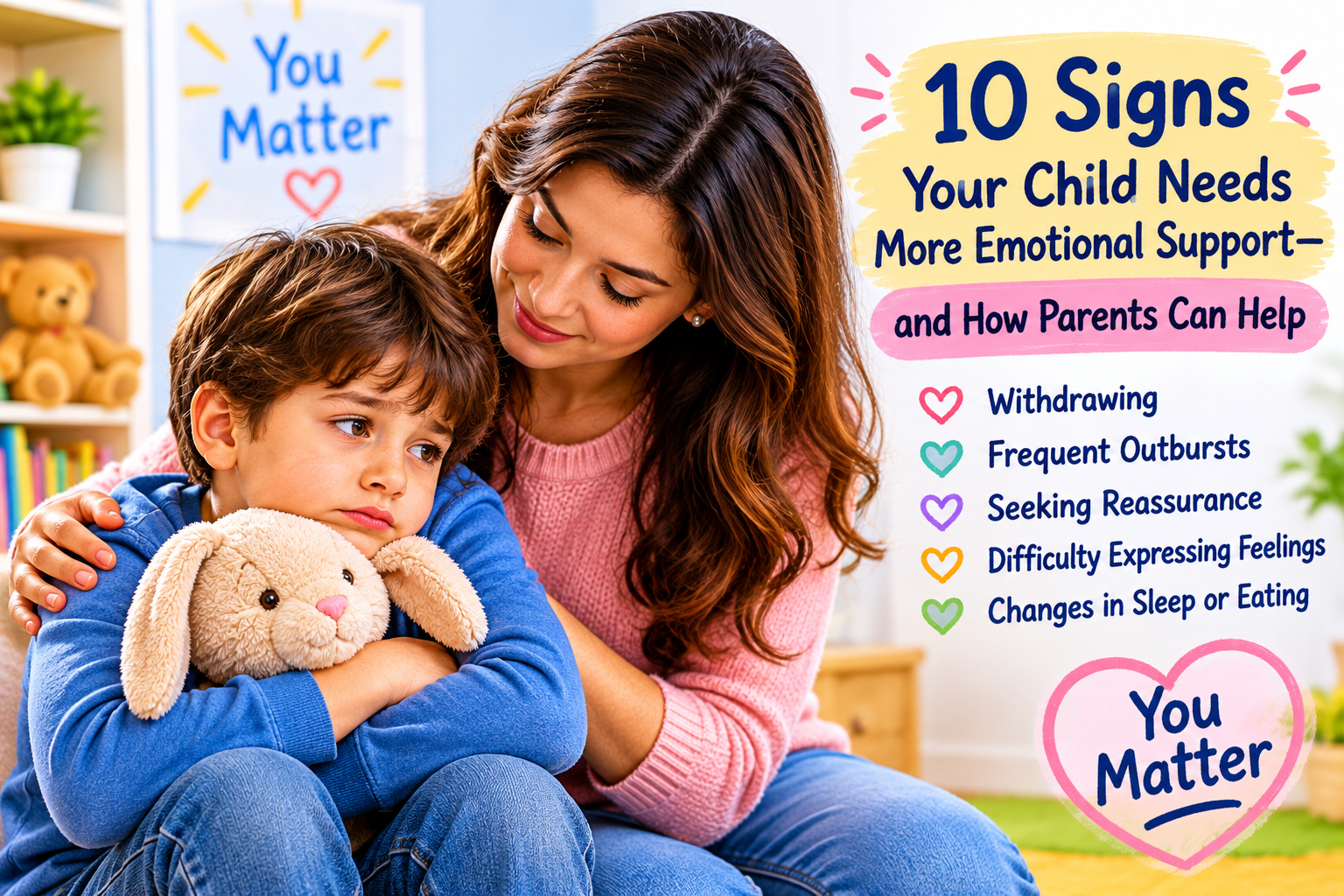
Children experience many emotions as they grow. They may feel happy, excited, frustrated, worried, lonely, or disappointed. While these feelings are a normal part of childhood, some children find it difficult to understand or express what they are experiencing. For children ages 4–8, emotional development is
Read More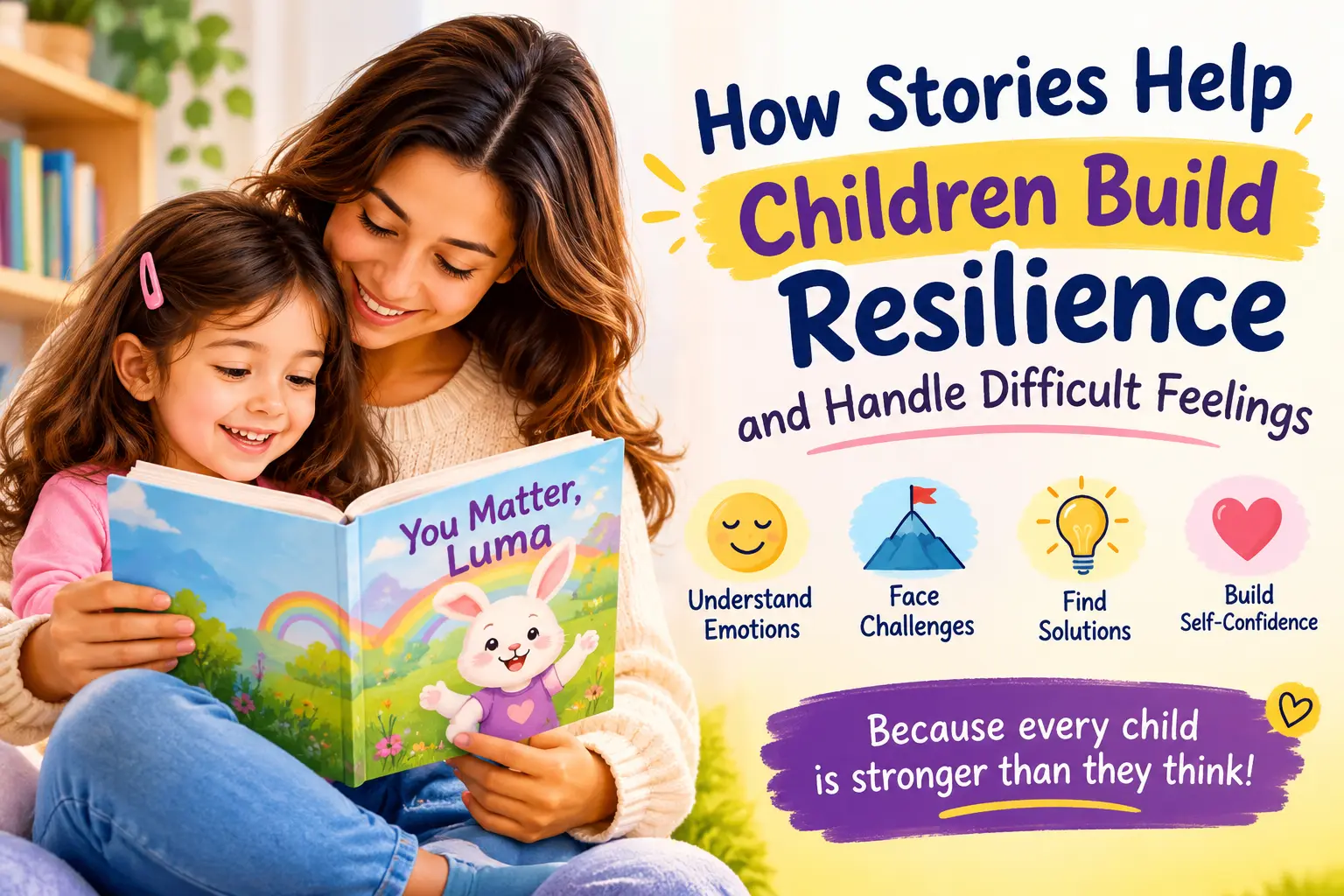
Children experience many emotions as they grow. They may feel disappointed when something goes wrong, nervous when trying something new, or sad when they feel left out. Learning how to handle these moments is an important part of emotional development. Stories can help children build resilience
Read More
Children experience many emotions as they grow. Happiness, excitement, frustration, sadness, disappointment, and anger are all part of childhood. But for children ages 4–8, understanding these feelings and knowing what to do with them can sometimes be difficult. Emotional regulation for kids is the ability to
Read More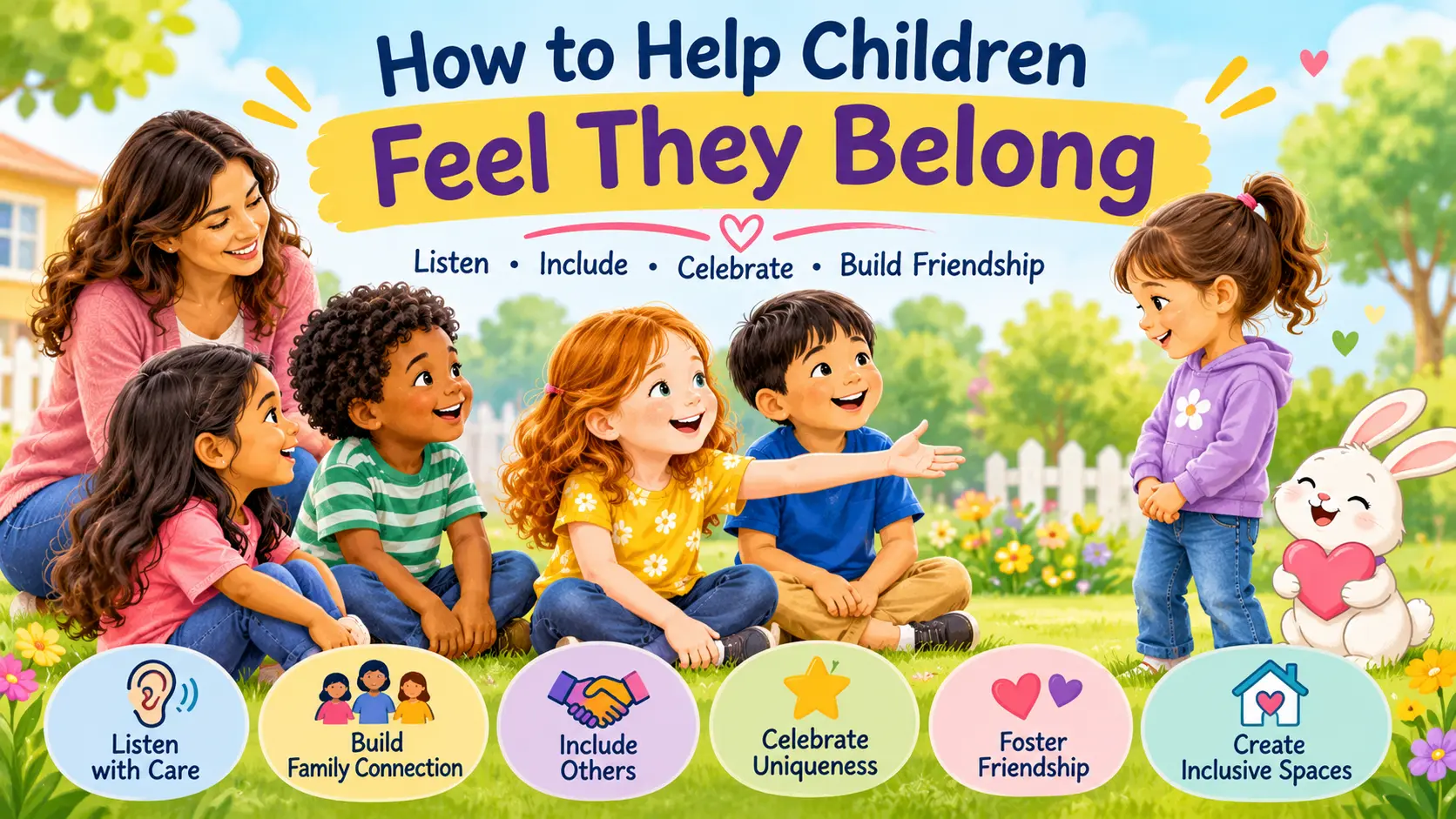
Belonging grows through repeated experiences of connection, acceptance, and inclusion. Parents, caregivers, and educators can help children develop a stronger sense of belonging through small, intentional actions. 1. Make Time to Listen to Your Child Children need opportunities to share their thoughts without feeling rushed or
Read More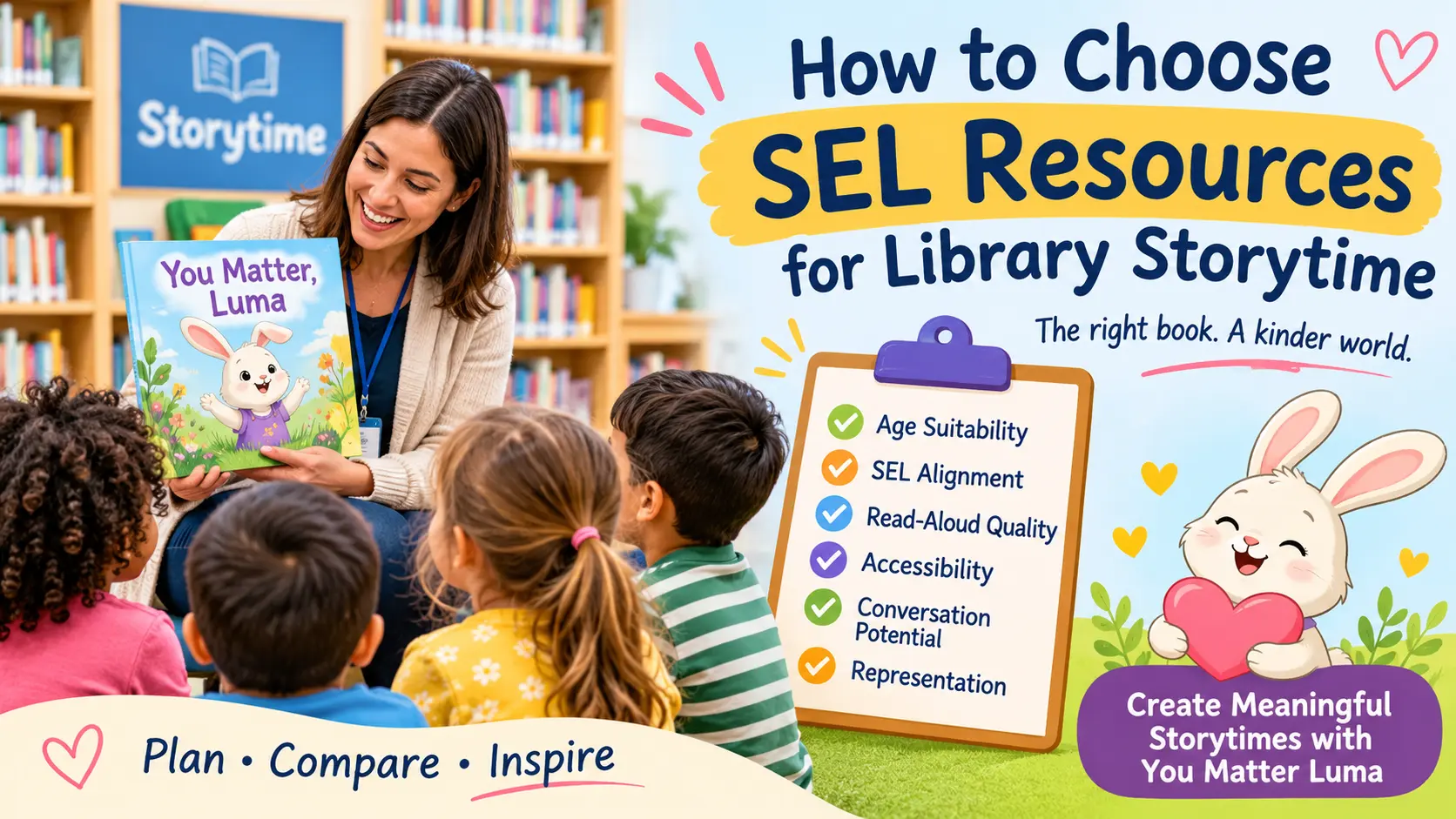
Choosing social-emotional learning resources for library storytime is not quite the same as choosing a classroom read or a bedtime book. You are planning for mixed-age groups, short sessions, and children who may show up once or every week. You Matter Luma helps children explore self-worth
Read More
Every child wants to feel accepted, understood, and loved. Whether they are playing with friends, joining a classroom activity, or spending time with family, children need to know that they have a place where they belong. Belonging for children means feeling accepted, included, and valued for
Read More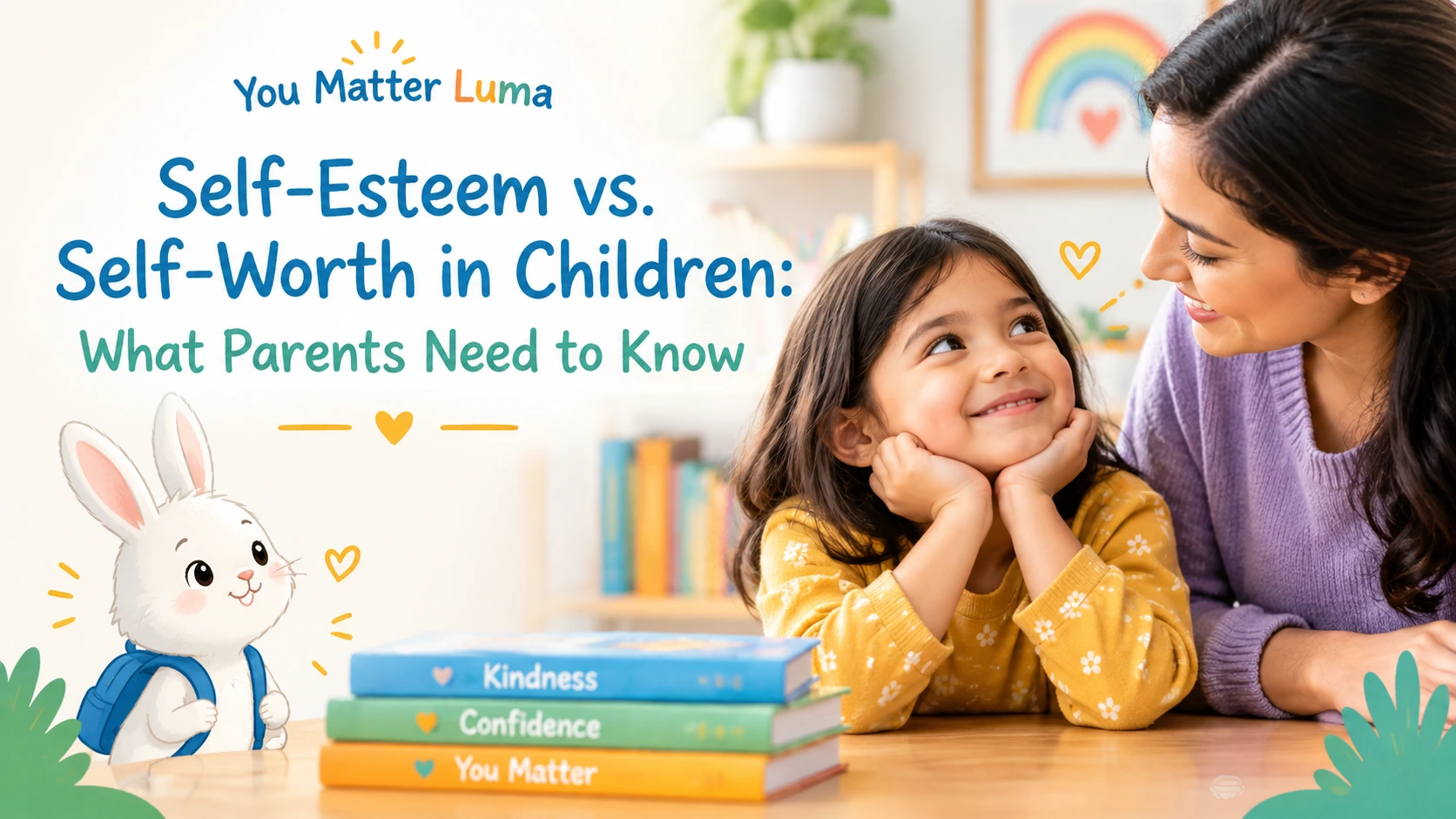
Self-esteem vs. self-worth in children is an important distinction for parents to understand. The former refers to the way a child perceives himself, his skills and accomplishments whereas the latter is defined as an intrinsic value of the child regardless of his actions. Self-esteem and self-worth
Read More
Self-worth in children develops when they learn that they are valuable, loved, and worthy of care simply because of who they are, not only because of what they achieve. Parents can help build healthy self-worth by listening to children, appreciating their effort, allowing age-appropriate independence, accepting
Read More
How to build confidence in kids is not about making children feel that they must always be the best, bravest, or most successful. Healthy confidence develops when children learn that they are capable, valued, and able to handle challenges, even when things do not go perfectly.
Read MoreTeaching children how to be kind and understand the feelings of others is an important part of their emotional and social development. Parents, caregivers, and educators often look for meaningful ways to teach kids kindness and empathy, especially during the early years when children are learning
Read More