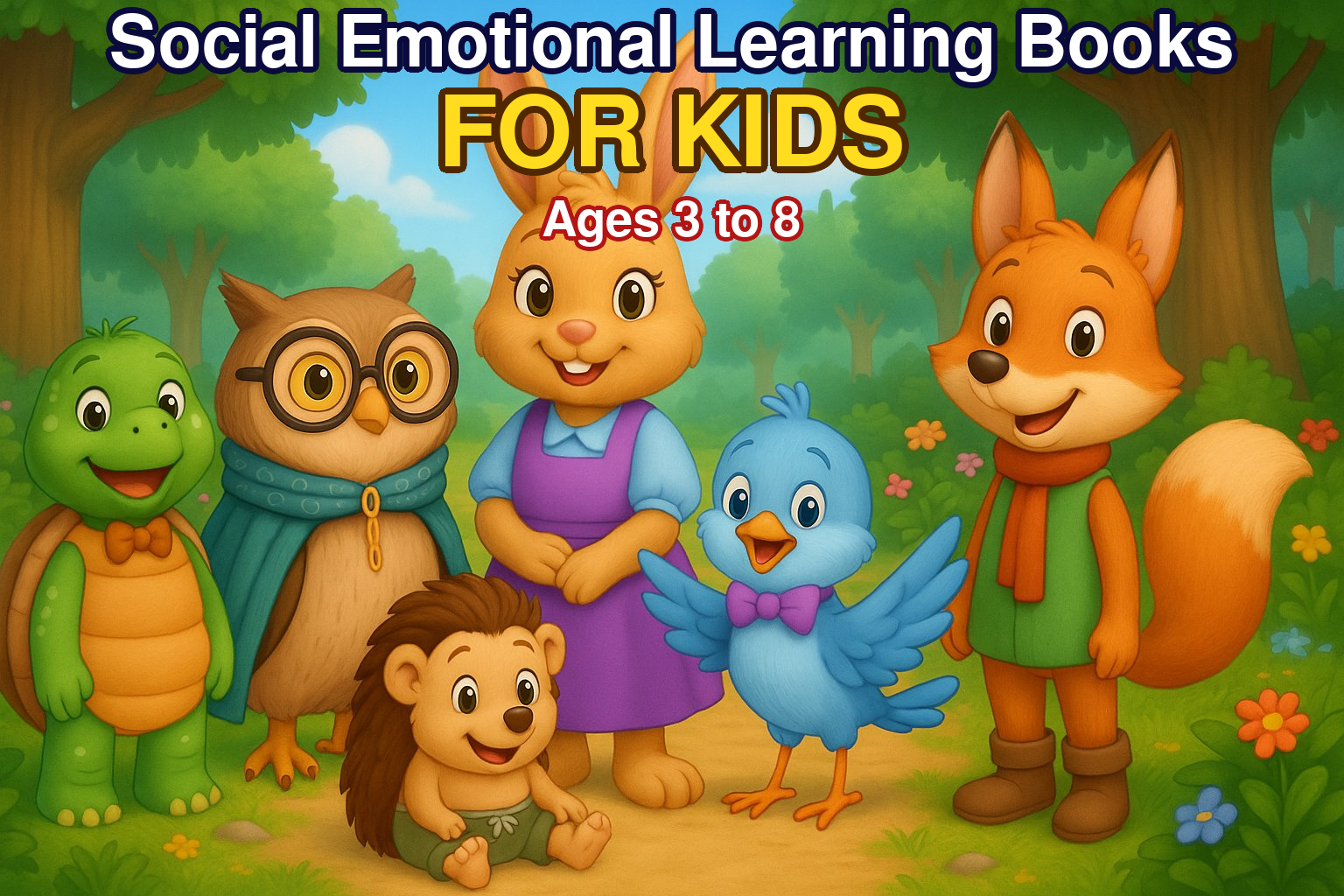
Children between the ages of three and eight go through some of the most significant developmental changes of their lives. During these years, they begin to understand their emotions, build friendships, and navigate the world around them. Social emotional learning books for kids are one of the most effective tools parents, teachers, and caregivers can use to support this growth in a way that feels natural and engaging.
This article looks at how social emotional learning books work, what to look for when selecting them, and why they matter so much during early childhood. Whether you are shopping for a toddler or a child entering kindergarten, the right book can open meaningful conversations and lay the groundwork for lifelong emotional skills.
What Is Social Emotional Learning and Why Does It Matter for Young Children
Social emotional learning, often referred to as SEL, is the process through which children develop the skills needed to understand and manage their emotions, show empathy, build healthy relationships, and make responsible decisions. These skills do not develop automatically. They require consistent exposure, modeling, and practice.
Research has consistently shown that children with strong social emotional skills perform better academically, have more positive relationships with peers, and experience lower levels of anxiety. For children ages three to eight, the foundations of these skills are built through play, storytelling, and guided conversation.
Books offer a unique advantage in this process. When a child hears a story about a character dealing with fear, jealousy, or disappointment, they gain a safe and low-pressure opportunity to process similar feelings. The story becomes a bridge between the child’s internal experience and the language needed to talk about it.
Why Social Emotional Books Are Particularly Effective for Ages 3 to 8
Children in this age range are at a stage where emotional vocabulary is forming, and self-regulation is just beginning to develop. They experience strong emotions but often lack the words or frameworks to express what they are feeling.
Social emotional learning books for kids meet children where they are by presenting emotional experiences through relatable characters and accessible language. Picture books and early readers use illustrations alongside text to reinforce meaning. A child who sees a character’s face drooping with sadness or lighting up with joy can connect visual cues to emotional states, strengthening their ability to read others’ emotions.
This kind of visual storytelling supports the development of empathy in ways that direct instruction alone cannot replicate. Additionally, reading aloud with an adult creates a shared experience that naturally invites conversation. A caregiver pausing to ask a child how a character might be feeling, or whether the child has ever felt something similar, turns a simple book into a guided SEL activity.
Social Emotional Books for 3-year-olds
Finding the right social emotional books for 3-year-olds means looking for titles that are visually engaging, use simple language, and focus on one emotion or concept at a time. At this age, children are beginning to name their feelings, understand that others have feelings too, and start working through basic challenges like sharing and waiting.
Effective books for this age group often include:
- Bold and expressive illustrations that clearly show emotional states
- Short sentences and repetition that support comprehension
- One main emotion or concept per story
- Characters facing situations familiar to a toddler’s daily life
- A reassuring tone that validates both positive and challenging emotions
- Clear problem-and-solution structure to model healthy responses
Books that explore feelings like frustration, excitement, loneliness, or love in a straightforward way work particularly well. At three years old, children do not need complex narratives. They benefit most from clear, warm stories that reflect their own experiences back to them.
Social Emotional Books Kindergarten Children Will Connect With
As children enter kindergarten, their social world expands considerably. They are navigating friendships, classroom dynamics, and new expectations around behavior and learning. Social emotional books kindergarten teachers and parents choose for this stage need to reflect this increased complexity.
Children at five and six years old are ready to explore nuance. They can begin to understand that two feelings can exist at the same time, that other people may see situations differently, and that their choices have consequences for others. Books that introduce these concepts in an accessible way support the social emotional growth that kindergarten demands.
Good social emotional books for kindergarten-age children often address themes such as:
- Starting something new and managing nervousness
- Resolving conflict with peers in constructive ways
- Understanding how words and actions affect others
- Finding belonging and coping with feeling left out
- Developing persistence when tasks feel challenging
- Taking responsibility for mistakes and making amends
- Practicing empathy and perspective-taking
Stories at this level can be longer and more detailed, while still remaining relatable and accessible. The goal is for children to see themselves and their everyday experiences reflected in the books they read, helping them build confidence, empathy, and stronger social skills.
What to Look for When Choosing Social Emotional Learning Books for Kids
Not all children’s storybooks marketed as social emotional learning books for kids are equally effective. There are several qualities that distinguish books that genuinely support emotional development from those that simply mention feelings on the surface. The most meaningful short story children’s books go beyond naming emotions and instead help young readers truly understand and process them.
Look for children’s storybooks where emotional experiences are shown with nuance and honesty. Stories that present emotions as something to be suppressed or quickly fixed can inadvertently send children the message that certain feelings are unwelcome. The best short story children’s books validate the full range of emotional experience while also showing characters working through challenges in healthy, constructive ways.
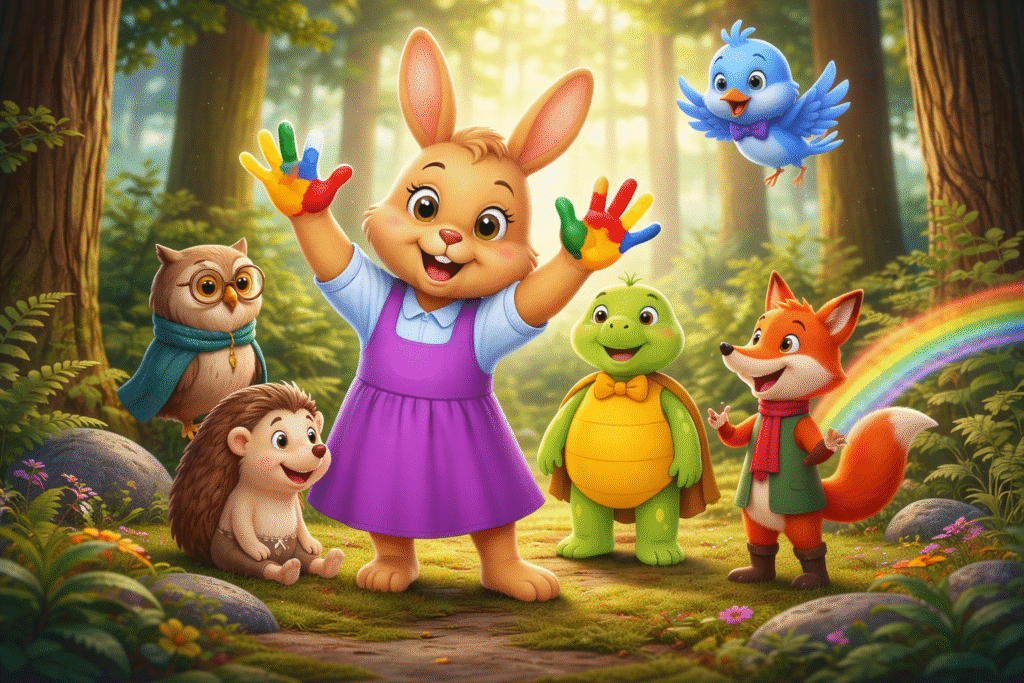
Character diversity also matters in children’s storybooks focused on social emotional growth. Children benefit from seeing themselves represented in the stories they read, as well as from encountering characters whose experiences differ from their own. Diverse representation in children’s short-story books supports both self-recognition and the development of empathy toward others, making these books powerful tools for lasting emotional development.
Matching Book Features to Developmental Age
| Age Group | Key Emotional Skills | Book Features to Look For | Example Themes |
| Ages 3 to 4 | Naming emotions, basic empathy | Bold illustrations, simple text, repetition | Feelings, sharing, comfort |
| Ages 4 to 5 | Self-regulation, understanding others | Relatable characters, clear cause and effect | Frustration, kindness, friendship |
| Ages 5 to 6 | Conflict resolution, perspective-taking | Slightly longer stories, meaningful dialogue | School life, fairness, belonging |
| Ages 6 to 8 | Understanding complex emotions, decision-making | Nuanced plots, deeper character development, moral complexity | Identity, courage, responsibility |
How to Use Social Emotional Learning Books Effectively
Selecting the right book is only the first step. The way books are used matters just as much as the content itself.
Read Aloud Together
Reading with a child rather than to a child makes a significant difference. When an adult reads aloud and pauses to make observations, ask questions, or share their own reactions, the experience becomes interactive. Children are more likely to process and retain emotional content when they are actively engaged rather than passive.
Ask Open-Ended Questions
Questions like what you think the character is feeling, or why do you think they did that, encourage children to think deeply rather than simply recall plot points. This kind of guided discussion helps children apply the emotional concepts in the story to their own lives.
Revisit Books Over Time
Children benefit from returning to the same books at different points in their development. A story that taught a three-year-old to name feelings of sadness might later prompt a five-year-old to reflect on how the character could have handled the situation differently. Familiar books often reveal new layers as a child grows.
Connect Stories to Real Situations
When a child encounters a challenging moment in real life, referencing a book they have read can offer a useful bridge. Reminding a child of how a story character handled a similar situation gives them a concrete reference point and makes the emotional lesson feel more applicable.
The Role of Parents and Teachers in Supporting SEL Through Books
Books are a starting point, not a standalone solution. The impact of social emotional learning books for kids is amplified when adults take an active role in extending the learning beyond the page. Teachers who incorporate SEL books into classroom discussions create space for children to share their perspectives and learn from one another. Parents who read these books at home signal to their children that emotions are a normal and important part of life.
Consistency matters. When the same values and vocabulary appear both at school and at home, children receive a clear and coherent message about what emotional well-being looks like. Social emotional learning works best when it is woven into daily life rather than treated as a separate subject.
For a carefully selected range of social emotional learning books designed with young children in mind, visit You Matter Luma to explore titles that support emotional growth at every stage of early childhood
Conclusion
Social emotional learning books for kids offer something that direct instruction alone cannot always provide: a safe, imaginative space where children can explore emotions without pressure or judgment. For children ages three to eight, this kind of story-based learning is particularly well-suited to how they naturally think and process the world.
Whether you are looking for social emotional books for 3-year-olds just beginning to name their feelings, or social emotional books kindergarten children will use to navigate the complexities of school life, the most important factor is intentionality. Choosing books thoughtfully, reading them together, and following up with conversation turns a simple story into a meaningful learning experience.
Frequently Asked Questions
What age is appropriate for social emotional learning books?
Social emotional learning books can be introduced in toddlerhood. Board books teach basic feelings, while picture books and early readers support deeper emotional skills through age eight and beyond.
How do social emotional books for 3-year-olds differ from those for older children?
Books for 3-year-olds use simple words, short sentences, and clear illustrations. Books for older children explore complex emotions, longer stories, and skills like empathy and conflict resolution.
Can social emotional books replace direct conversations about feelings with children?
Books support emotional growth but work best with discussion. Talking about characters and feelings helps children connect lessons from stories to their own real-life experiences.
Are social emotional books kindergarten teachers use different from those used at home?
The books are often the same, but teachers use them for group lessons, while parents may read them to address specific situations. Both approaches strengthen emotional development.
How do I know if a social emotional book is having a positive effect?
Positive signs include better emotional vocabulary, more empathy, and children referencing story characters when describing their own feelings or solving problems.